


How to separate waste
How to separate waste?
Waste separation is a fundamental process for managing solid waste effectively, with the aim of minimizing environmental impacts and promoting the recycling and reuse of materials
Recommendations:
- Drain and pour out all the contents of the containers
- When possible, spread the packaging out so that it takes up less space at home, makes it easier to transport and reduces the number of trips to the recycling bin
- To avoid bad smells, you can rinse some of the packaging
- Put the bag you used to transport the used packaging in the recycling bin.
Separation rules
Yes
- Waste that cannot be recycled, in tightly sealed plastic bags
No
- All recyclable materials
- Medicine bottles
- Plastic bags
Yes
- Vegetable oils: sunflower / soybean / palm / rapeseed
- Olive oil
- Canned oils
No
- Margarine
- Other food waste from frying
- Motor oil
Yes
- Cardboard boxes
- Magazines / newspapers
- Writing and printing paper
No
- Dirty paper
- Paper: vegetable / absorbent / cellophane / plasticized / aluminium / adhesive
- Diapers
- Plastic bags
Yes
- Batteries and accumulators of all types (limited to the size of the opening of the street bins)
No
- Car batteries
- Computers
- Tools
- Cameras and cameras
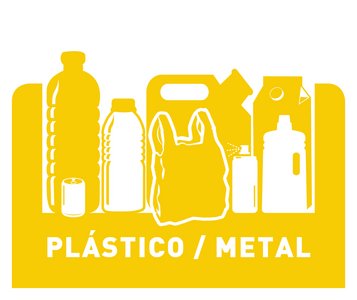
Yes
- Packaging
- Plastic bags
- Drink cartons
- Cans
No
- Paper or cardboard
- Batteries
- Household appliances
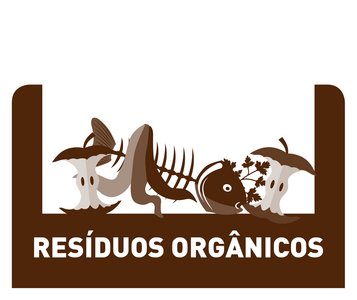
YES
- Leftover raw or cooked food
- Towels
- Paper napkins
- Tea bags
NO
- Liquids
- Crockery / glasses / cutlery
- Paper: vegetable / printed / aluminum
- Packaging
- Corks / lids / caps
- Glass
- Plastics / textiles
- Light bulbs
- Metals
- Butts
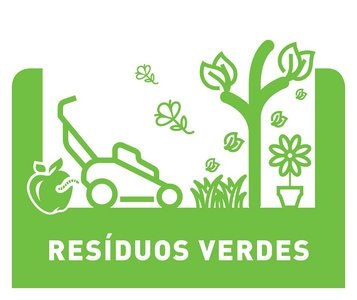
Yes
- Leaves
- Branches
- Plants
- Grass cuttings
- Flowers
- Damaged fruit and vegetables
No
- Tree trunks
- Trunks with a diameter of more than 8 cm
- Earth/pots
- Packaging
- Food waste
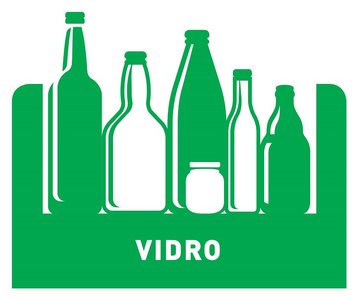
Yes
- Bottles
- Jars
- Jars
No
- Crockery and ceramics
- Flat glass: windows / crystals / mirrors
- Light bulbs
- Corks / capsules