


Environmental Awareness
Environmental awareness
Implementation of awareness-raising actions on sustainable resources and sustainable waste management
We develop and operate campaigns and initiatives focused on the value of recycling, seeking to inspire the adoption of more sustainable behaviors with regard to the correct management and sorting of waste, to enable its recycling, which is fundamental to all sustainable development goals.
Find out more about some of our projects and others with which we are associated
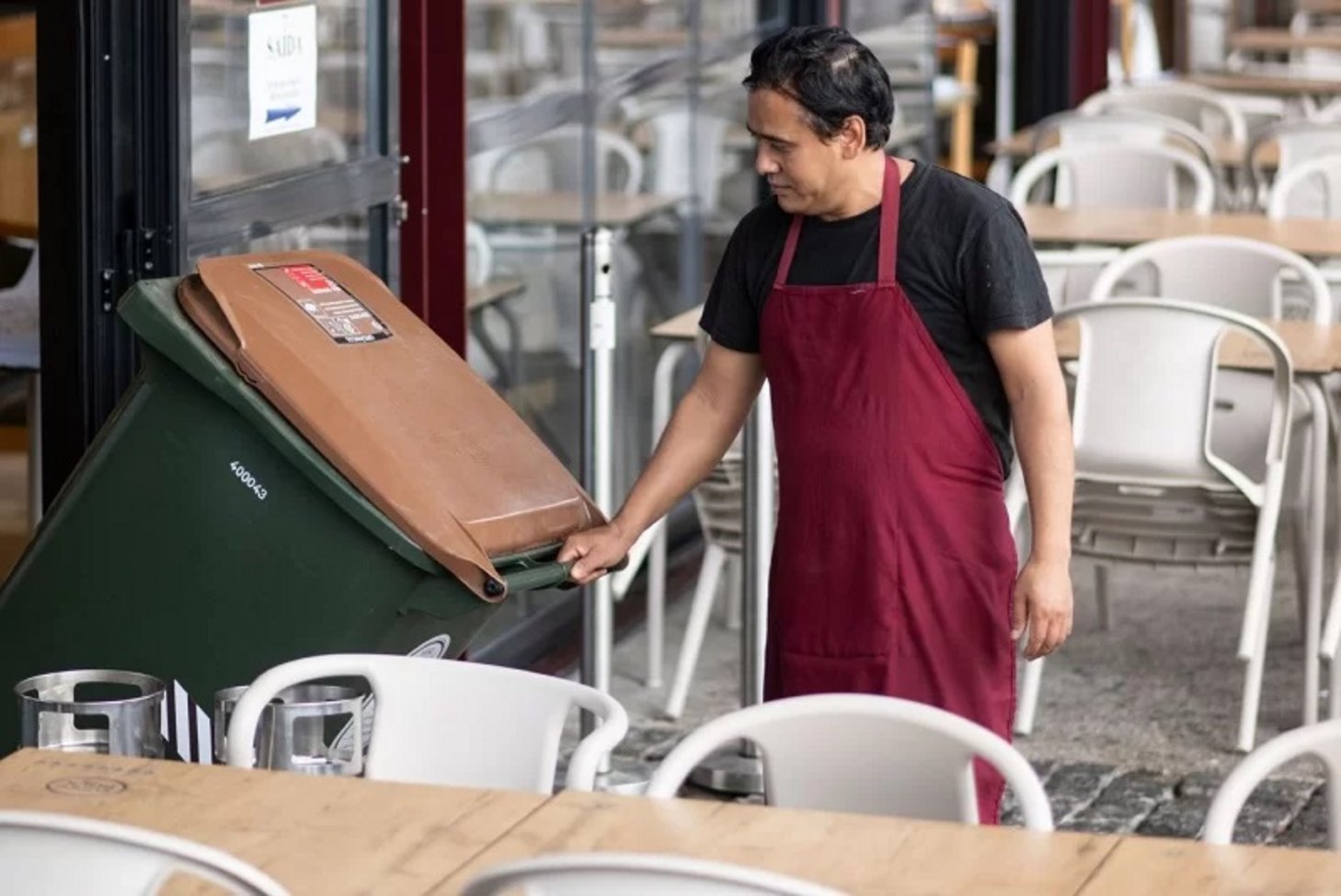
Clean Lisbon counts on everyone.
Lisbon's cleanliness is a responsibility shared by everyone, residents and visitors alike, and our city's establishments play a key role in this task.
The partnership between Lisbon City Council and AHRESP - Associação de Hotelaria, Restauração e Similares de Portugal aims to promote hygiene and sustainability practices in the restaurant and accommodation sectors, contributing to a cleaner Lisbon.
Good practices for a cleaner Lisbon!
Urban Cleaning
- Establishments must clean up their waste in commercial areas and within a radius of 5m
Undifferentiated waste
- Undifferentiated waste must be placed in the appropriate equipment or other devices that prevent waste from being scattered in public spaces
- No incandescent material should be placed in equipment intended for undifferentiated waste
- bulky waste; used batteries and accumulators
- medicine packaging and discarded medicines; sharp, liquid or liquefied waste
Recyclable waste
- The separation of selective collection waste produced by the establishment and the existence of selective disposal equipment are mandatory
- Waste deposited in the yellow and blue lidded containers must be spread out in such a way as to lead to
- a reduction in volume and better packaging
Check the waste disposal days and times
Single-use plastics
- Single-use plastic products such as cutlery, plates, straws, drink stirrers, styrofoam food and drink containers are prohibited
- 100% plastic cups and containers are still allowed and must be disposed of in the yellow lid container
- Paper cups for hot drinks should be deposited in the blue recycling bin and for cold drinks in the unsorted recycling bin
Food waste
- Food waste should be separated and packed in properly sealed bags
Food Waste
- As of January 1, 2024, it is forbidden to dispose of food that can still be consumed, provided there are safe ways to dispose of it. Look for organizations to which you can donate this food
Used cooking oil
- Used cooking oil should be sent to a Private Waste Management Operator (OGR) or, alternatively, packed in a closed plastic container and placed in the specific bins provided by the Municipality of Lisbon
Lisboa a Compostar is a project to encourage home composting promoted by Lisbon City Council and Valorsul.
Anyone living in Lisbon with a patio, backyard or garden can apply.
In addition to the home composters, there are currently community composters in the following locations:
- Ajuda, Parque Hortícola Rio Seco | Calçada Ernesto Silva
- Alcântara, Parque Recreativo do Alvito | Estrada do Alvito
- Alvalade, Campo Grande | in front of Igreja Paroquial dos Santos Reis Magos do Campo Grande
- Areeiro, Auto Parque Paris Nascente | Rua Presidente Wilson, logradouro Oeste
- Arroios, 31 de Janeiro Market | José Fontana Square
- Arroios, Campo Mártires da Pátria
- Avenidas Novas, Parque Eduardo VII
- Belém, Jardim dos Moinhos de Santana, Estrada de Caselas
- Benfica, Jardim do Eucaliptal | Estrada dos Arneiros
- Campo de Ourique, Jardim da Parada | Rua Infantaria 16
- Campolide, near the wall of the old barracks | Avenida Conselheiro Fernando Sousa
- Carnide, Rua Poeta Bocage
- Estrela, Jardim da Estrela | Rua S. Bernardo
- Lumiar, Mercado do Lumiar | Rua Luis de Freitas Branco
- Marvila, Parque da Bela Vista | Av. Dr. Arlindo Vicente
- Olivais, next to Posto Limpeza | Rua Sargento Armando Monteiro Ferreira
- Olivais, Quinta Pedagógica dos Olivais | Rua Cidade Lobito
- Parque das Nações, Parque Tejo | Passeio dos Heróis do Mar
- Penha de França, Parking lot | Rua Castelo Branco Saraiva and Rua de Baixo
- Santa Clara, Reguengo Urban Park
- Santo António, Jardim das Amoreiras Dog Park | Rua das Amoreiras
- São Domingos de Benfica, Tennis Court | Rua Prof. Reinaldo dos Santos, next to 30
- São Domingos de Benfica, Largo Luzia Maria Martins | Rua Olavo d'Eça Leal
Registration and more information at Lisboa a Compostar
The Ripas workshop is a space for the reuse and recovery of end-of-life furniture, intended to be another space for social inclusion in the city, open to anyone who needs help making small repairs and recovering their own furniture, taking advantage of what the municipal services will transport there as part of the "monsters" collection service.
Workshops are held twice a week on the subject of recovering furniture, with the aim of enabling residents to repair their own furniture independently and create community networks for sharing, raising awareness of the problem of end-of-life wood and its environmental impact, and the prevention, reuse and correct disposal of these objects.
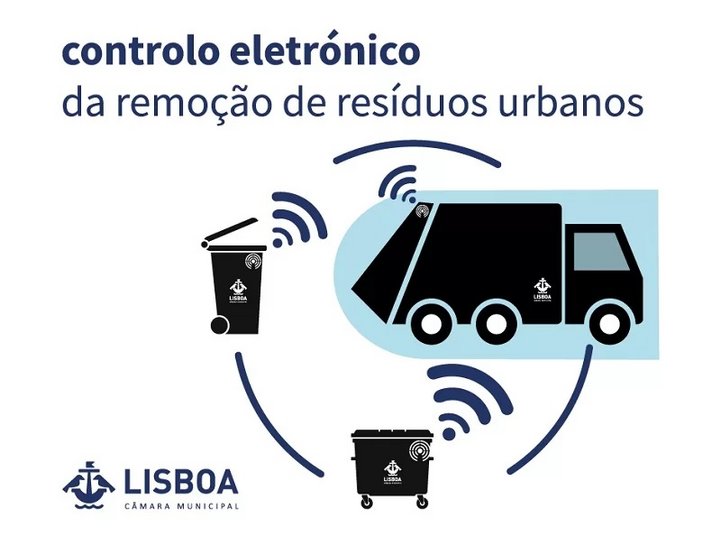
Lisbon City Council, like other European cities, is developing a pilot project for the electronic control of urban waste removal. This initiative aims to improve the quality of the service provided and bring it into line with the latest legislative changes.
The aim of this project is to
- more efficient control of the container stock
- monitor waste production patterns to help forecast the means to be used for disposal and removal
- intelligently plan collection routes
- reduce waste disposal in landfills
- increase selective collection and recycling by improving the public service provided.
The project involves, in a first phase (November 2021), the installation of radio frequency identifiers (aka tags) in containers for the disposal of undifferentiated waste and selective collection, assigned to private individuals and entities where waste is removed door-to-door. The 12 parishes covered by this phase of the project are: Alvalade, Areeiro, Arroios, Avenidas Novas, Campo de Ourique, Campolide, Estrela, Misericórdia, Penha de França, Santa Maria Maior, Santo António and São Vicente.
At the same time, equipment is being installed in the waste removal vehicles, which will make it possible to read the container identifiers and automate collection routes with a consequent increase in productivity and quality of service.
The data collected and processed will be managed by a platform capable of supporting the planning and control of more efficient collection.
In the future, the project is expected to be extended to other parishes in the municipality and to the entire removal fleet.
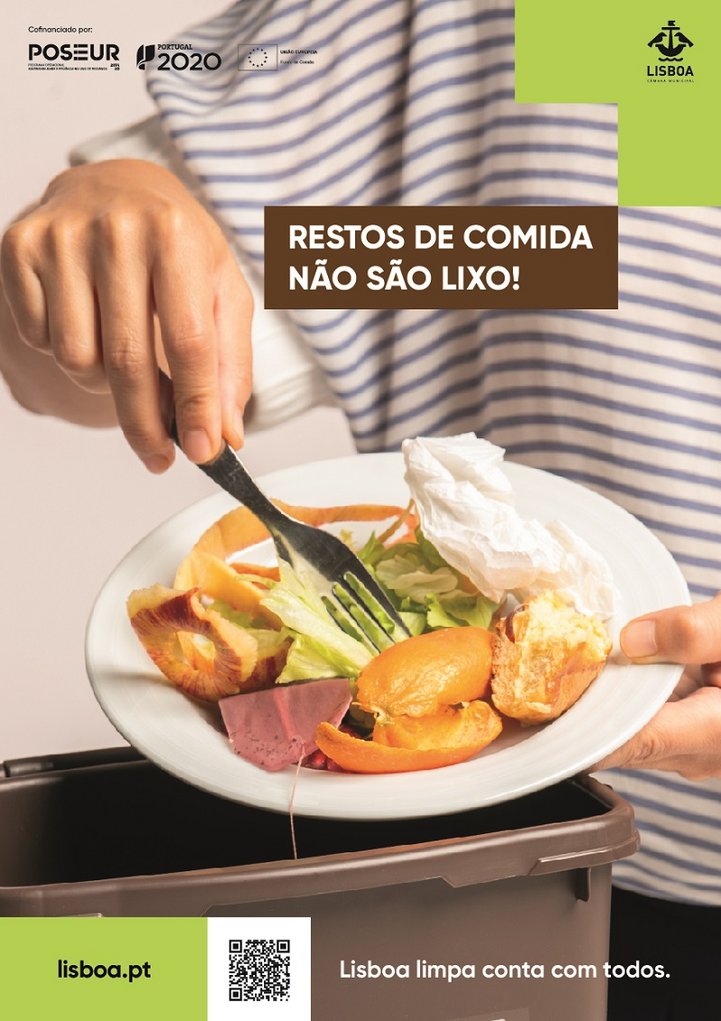
Food waste collection in the parishes of Benfica and São Domingos de Benfica.
Separate it from other waste and use the new brown lid container.
What to put in it?
- Leftover raw or cooked food;
- Vegetables and fruit;
- Meat and fish;
- Eggs, bread and cakes;
- Tea bags and coffee grounds;
- Towels, wipes and paper napkins.
How does the system work?
You hand over a brown bucket to separate the food waste from your household and then place it in the brown-lidded container.
After collection, this waste is sent to Valorsul for recovery.
If you don't adhere to the system correctly, the food waste will be mixed with ordinary waste and sent to the incinerator, making it impossible to recover the potential of this stream and making the process more expensive.
Project objectives
- To support Lisbon residents in dealing with food waste in a sustainable way;
- Separate food waste correctly from other waste;
- Reduce the amount of undifferentiated waste by around 40%;
- Increase the selective collection of household bio-waste.
Selective collection of food waste will be mandatory in order to meet national and European environmental targets.
Disposal sites in Benfica
Disposal sites in São Domingos de Benfica